
The History and Founder of the Award Programme
From a Royal Vision to Global Impact
The Duke of Edinburgh’s International Award is the result of a bold vision for youth education – one that transcends the boundaries of traditional classrooms and cultivates courage, responsibility, and involvement.
Three Founders. One Revolutionary Idea.
The Award programme was founded in 1956 in the United Kingdom by HRH Prince Philip, Duke of Edinburgh, together with Kurt Hahn, a renowned German educationalist and founder of the Outward Bound movement, and Lord Hunt, leader of the first successful expedition to the summit of Everest.
These three visionaries wanted to offer young people a valuable alternative to formal education – a practical experience based on action, learning, and self-discovery.
The First Steps of the Award
Initially intended for boys between the ages of 15 and 18, the programme focused on four sections: public service, expeditions, practical activities, and fitness. Just two years after the launch, the enthusiastic response from the community led to the inclusion of girls in the programme.
In 1980, the current format was established, available for young people aged between 14 and 24, with the four essential components: Voluntary Service, Skills, Physical Recreation, and Adventurous Journey. These form the framework through which young people can challenge themselves, contribute to the community, and build a more confident future.
From Local Initiative to Global Movement
The Award programme evolved rapidly beyond the borders of Great Britain, being adopted by schools, youth organisations, and governments around the world. Today, it is present in over 130 countries and territories, becoming one of the most important global initiatives for non-formal education.
Over time, the Award has proven to be adaptable to any culture, language, or social context – while maintaining its essence: the development of young people through personal experience and active involvement.
Focus on Inclusion
In recent years, the programme has placed an increasing emphasis on inclusion and equity. The Award works actively with young people from vulnerable backgrounds, including those in young offender institutions, care homes, marginalised communities, young people with disabilities, or those at risk of dropping out of school. The impact is profound: the Award gives these young people a voice, self-confidence, and a real chance to build a better future.
The Award in Romania
The Award in Romania
From a local beginning, to a national movement. In Romania, the programme was introduced for the first time in 1991, at the initiative of Sister Agnes, within the Roman Catholic Parish of Motru. In the early years, the Award operated at a local level, involving a small number of participants.
It was only starting from 2011 that the programme began to expand gradually at a national level, supported by the Little People Romania Association. The defining moment was April 2013, when Romania received the official licence to operate the programme as an Award National Authority, in the presence of the Secretary General of the International Foundation at that time, John May.
Since June 2013, Award Romania has been held under the Patronage of Her Majesty Margareta, Custodian of the Romanian Crown, a symbolic and valuable commitment to the younger generation.
The Royal Gala – A Historic Beginning
The official launch of the programme in Romania was marked by an exceptional event: the 2013 Award Royal Gala, which brought together the Royal Families of Romania and Great Britain, representatives of the Ministry of Education, over 150 partners from the public and private sectors, sponsors, educational leaders, and volunteers. It was a key moment that consolidated the status of the programme in Romania.
Impact in Romania
From that moment, the programme has grown constantly. To date, more than 14,000 young people from across the country have participated in the Award, and over 2,500 adults – teachers, youth workers, and volunteers – have been trained to become Award Leaders, supporting the personal development of the next generation.
A Living Legacy
For over 60 years, HRH The Duke of Edinburgh remained actively involved in the programme he created, passionately promoting its values everywhere in the world. Today, his vision continues to inspire young people from all corners of the globe – and more and more Romanians are choosing to become part of this journey.
The Duke of Edinburgh’s International Award is not just a programme. It is a global movement that demonstrates that, when given the chance, young people can achieve extraordinary things.
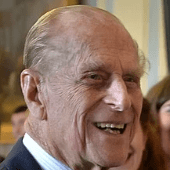
Prince Philip: HRH, Duke of Edinburgh
The Duke of Edinburgh and the husband of Elizabeth II. In 1956 he founded DofE together with Kurt Hahn and Lord Hunt.
Prince Philip: “When the programme was tentatively launched in 1956, no one knew what it would become in the future. However, it succeeded very quickly, and since then the DofE programme has continued to expand around the world.”
See the links below for the history of DofE.

Kurt Hahn: Educator and politician
German educator and politician who emigrated to Great Britain due to his Jewish nationality.
He is the promoter of experiential pedagogy and founder of many educational institutions.
He is the author of the content of the whole DofE programme.
More information on Kurt Hahn, see the link below.
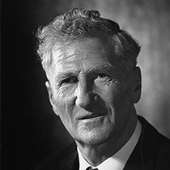
Lord John Hunt: The first Director of the Award program
British Army officer, climber and instructor of special forces.
Was the leader of the first successful expedition to Mount Everest (1953).
Queen Elizabeth awarded him the title of Baron for his services to young people.
More information on Lord Hunt, see the links below .